

The Anti-Atomic Habits Guide: Models for Habit Formation When Strict Systems Fail
Wanting to build good habits—like reading regularly, staying consistent with creative work, or managing a routine—doesn’t mean you have to love tracking grids.
Before diving into alternatives, a clear disclaimer: this is not a takedown of Atomic Habits. James Clear’s book is a masterclass in behavioral design, and his framework works exactly as advertised for millions of people. The reality is simply that different minds require different frameworks. Clear’s system relies on high predictability—blocking out specific hours, tracking incremental gains, and compounding routines over time. But if your daily life is inherently non-linear, creative, or highly reactive, forcing yourself into a rigid structure can create massive friction.
In fact, cutting-edge neuroscience is actively proving that the human brain doesn’t even require slow, painstaking replication to automate a behavior. A landmark June 2026 study from Johns Hopkins University, published in Nature Communications, completely upended a century of habit theory. For decades, science assumed habits only formed through gradual, slow-slope reinforcement. Instead, researchers discovered that the brain can flip an abrupt neural “switch” from deliberate decision-making to automatic behavior almost instantly. The study revealed that habit circuits in the brain’s striatum are actually prepared in advance, waiting for the right environmental cues to take over control.
You don’t need to treat your life like a corporate performance review to make meaningful progress. If a clinical, step-by-step approach doesn’t fit how you operate, it just means you need a framework that leverages this internal fluidity.
Sourcing Alternative Behavioral Frameworks
Building an effective library means finding books that match how your brain actually works. If you want to skip the wait for international shipping and get any of these alternative psychology or behavioral titles delivered directly within Vietnam, you can read our Ultimate Guide to Getting English Books in Vietnam to see how our localized, branch-specific delivery network handles custom sourcing.
1. Good Habits, Bad Habits by Dr. Wendy Wood
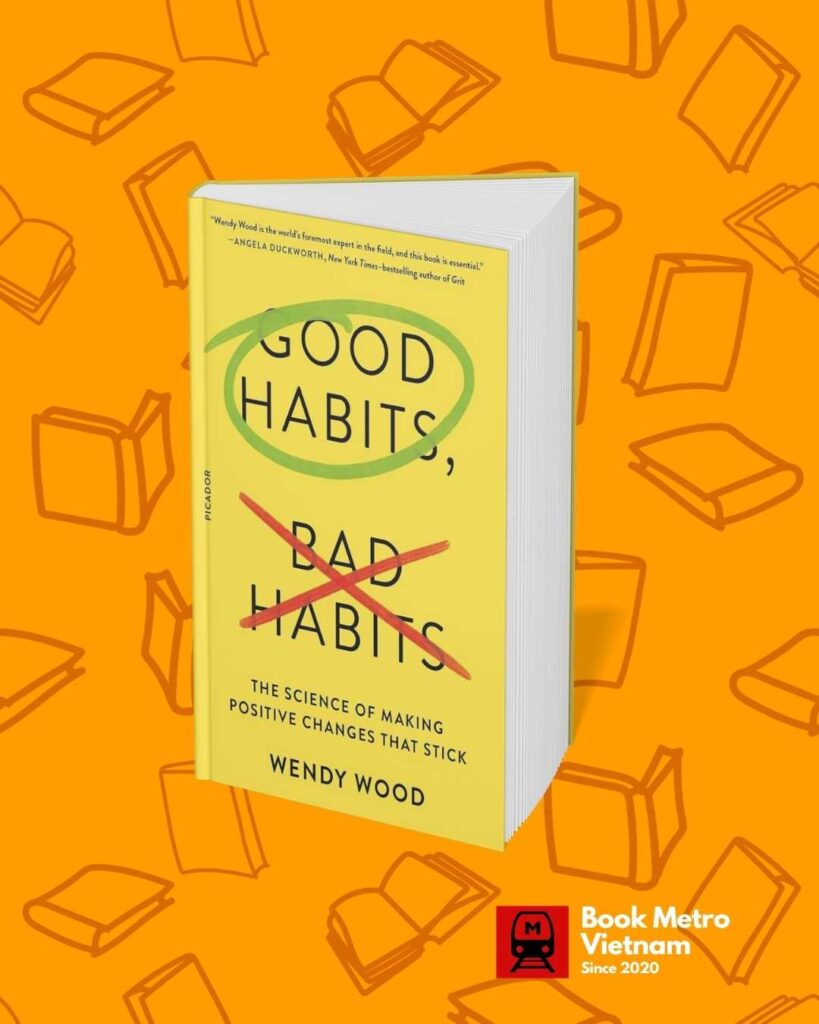
Shifting focus from identity to external friction.
- How it forms good habits: While modern popular psychology emphasizes conscious identity shifts and tracking metrics, Dr. Wendy Wood’s clinical research shows that the conscious mind plays a much smaller role in habit execution than we think. Her data demonstrates that automatic behaviors are primarily a response to situational context. Instead of forcing consistency through willpower or schedules, this book details how to systematically manipulate the physical friction in your immediate environment to make desirable behaviors the default choice.
Author: Dr. Wendy Wood
Genre: Behavioral Psychology / Academic Non-Fiction
Perfect for: Readers who want clinical data instead of anecdotal life hacks, and those who struggle with reliance on willpower.
2. The Four Tendencies by Gretchen Rubin
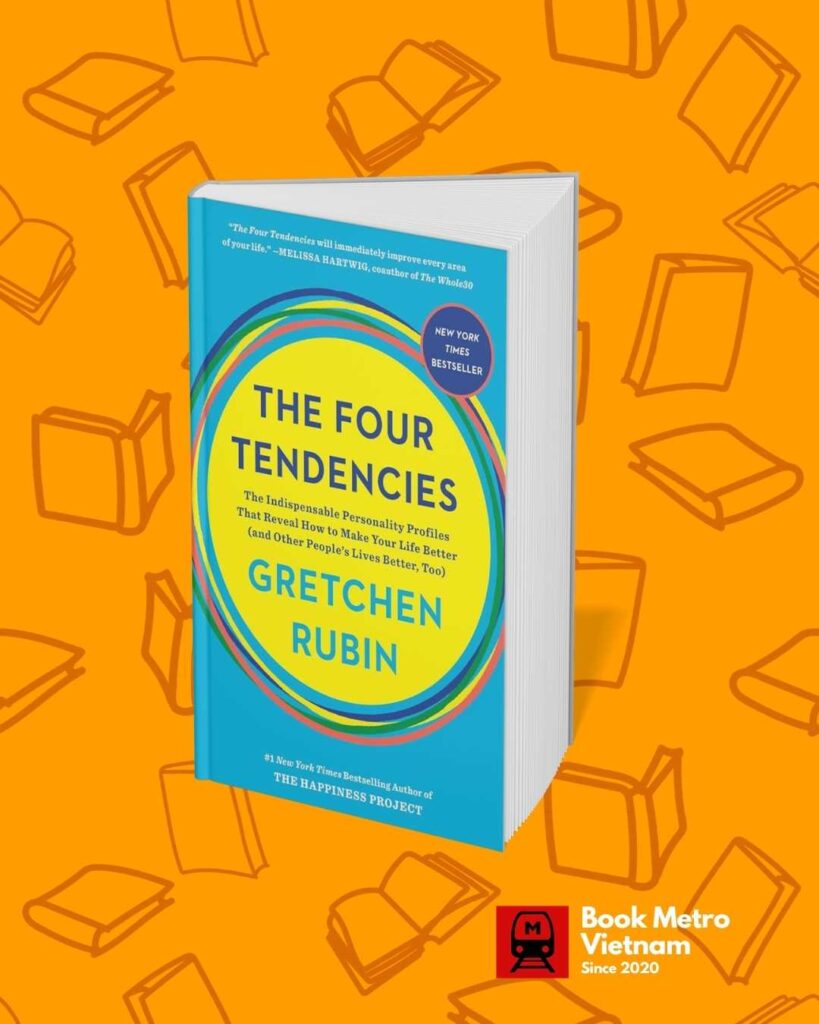
Aligning habit strategies with inherent psychological blueprints.
How it forms good habits: Standard productivity advice operates on the assumption that everyone responds to expectations the same way. Rubin breaks down four distinct profiles (Upholders, Questioners, Obligers, and Rebels) based on how they process internal and external rules. If your personality type naturally resists rigid structures, a clinical checklist will trigger subconscious rebellion. This book provides tailored strategies to build consistency around how your brain is actually wired.
Author: Gretchen Rubin
Genre: Personality Psychology / Self-Awareness
Perfect for: Anyone who feels guilty for breaking rules or routines that seem to work perfectly for everyone else.
3. Make Time by Jake Knapp and John Zeratsky
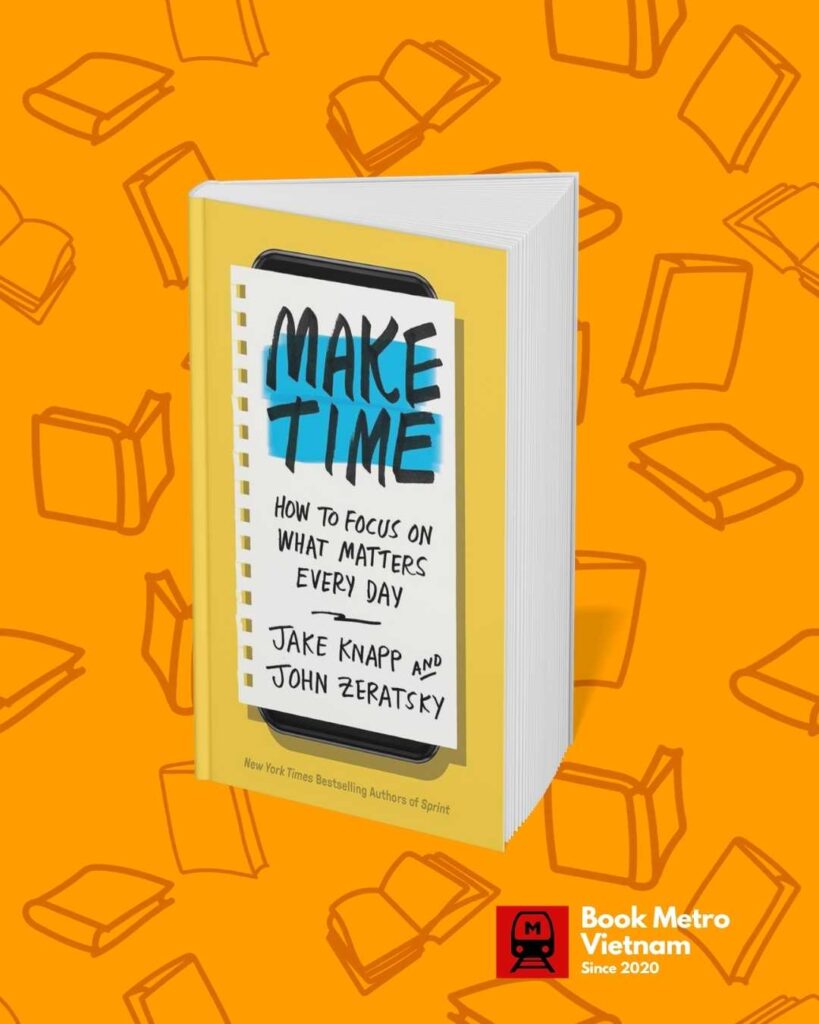
Designing for a single daily focus over dozens of micro-routines.
- How it forms good habits: Written by two former Google design partners, this system throws out the checklist entirely. Instead of tracking an exhausting matrix of tiny habits, it introduces the concept of the daily “Highlight”—selecting and protecting just one single, substantial activity to focus on every 24 hours. It is a highly fluid, human-centric framework that leaves room for daily chaos while ensuring steady momentum.
Authors: Jake Knapp and John Zeratsky
Genre: Practical Productivity / Time Management
Perfect for: Professionals working in highly reactive, unpredictable, or creative fields who cannot maintain identical daily timetables.
4. The Power of Habit by Charles Duhigg
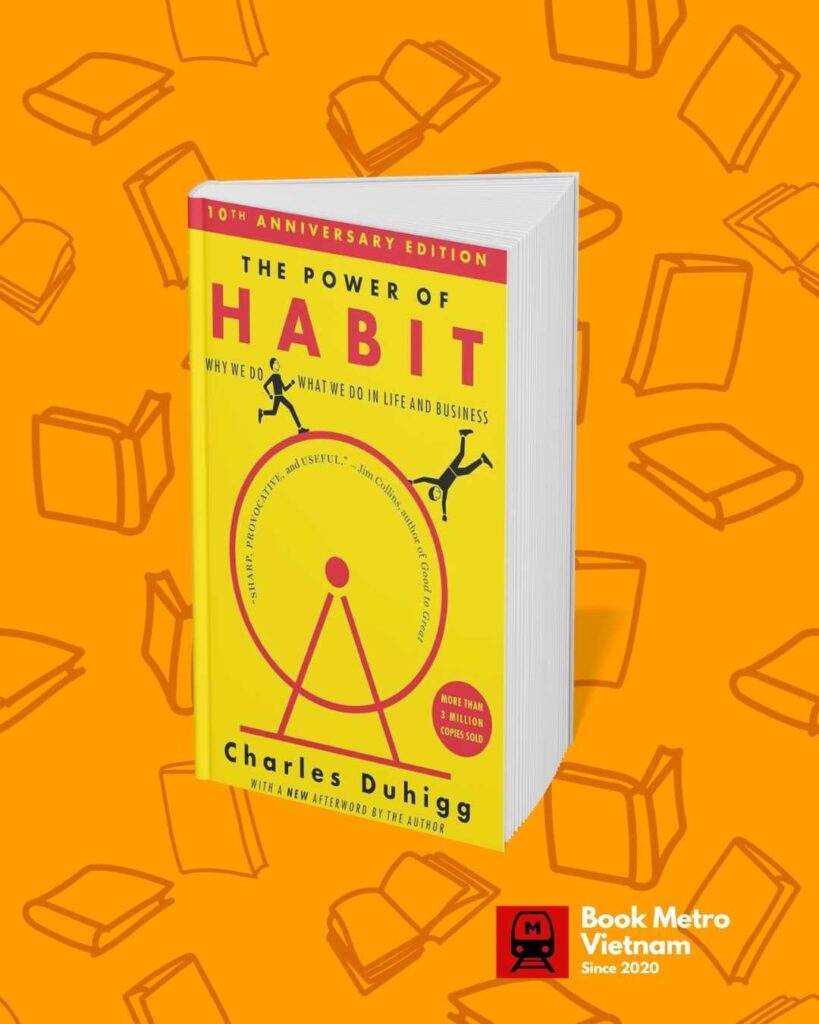
Dissecting and re-engineering the neurological mechanics of automatic loops.
- How it forms good habits: This is the foundational text that mapped out the brain’s automatic routines into the Cue-Routine-Reward loop. Duhigg doesn’t prescribe a specific lifestyle or personal philosophy. Instead, he treats habit formation as a diagnostic engineering problem: he gives you the tools to identify the hidden, structural triggers behind your current patterns so you can systematically swap in constructive behaviors that satisfy those exact same neurological cravings.
Author: Charles Duhigg
Genre: Narrative Non-Fiction / Neuroscience
Perfect for: Readers who prefer deep, investigative case studies over direct step-by-step instructions.
5. Four Thousand Weeks by Oliver Burkeman
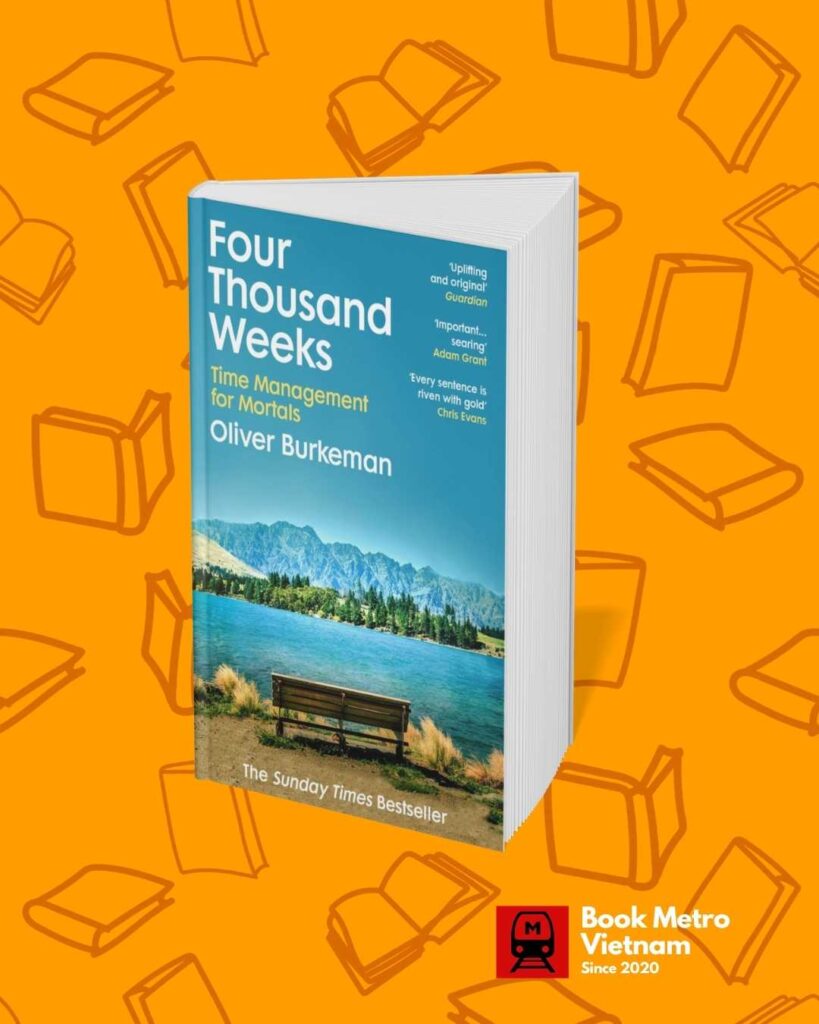
Radical prioritization through the conscious acceptance of human limitations.
- How it forms good habits: Burkeman delivers a direct critique of modern efficiency culture, arguing that trying to optimize schedules to fit an infinite volume of habits is a recipe for neurosis. By confronting the literal finitude of human life (roughly 4,000 weeks), the book builds the ultimate habit of ruthless elimination. It teaches you to stop trying to do everything moderately well, freeing up your limited focus for the select few routines and projects that genuinely matter.
Author: Oliver Burkeman
Genre: Philosophical Self-Help / Existential Non-Fiction
Perfect for: Chronic overachievers and perfectionists who experience routine-induced anxiety.
Expanding Your Professional Framework
Shifting away from rigid templates isn’t just about personal routines; it directly impacts how you handle broader professional systems. If you are navigating an unpredictable business environment, managing cross-border projects, or building a venture in a new market where standard corporate playbooks don’t apply, your strategy needs the same level of adaptability. Check out our curated selection of the Best Business Books for a no-nonsense look at strategic models built for highly fluid, international environments.