
The New Wave of Nigerian Fiction: Why Adichie, Obioma, and Emezi Are Taking Over the Literary World
While the foundation of modern Nigerian literature was laid by titans like Chinua Achebe, a new generation of writers has risen to global superstardom, captivating readers and critics alike with their powerful, innovative, and unforgettable stories. This new wave is defined by its confident exploration of identity, culture, and the complexities of the Nigerian diaspora. At the forefront of this movement are three authors whose work has come to define contemporary Nigerian fiction for a global audience: Chimamanda Ngozi Adichie, Chigozie Obioma, and Akwaeke Emezi. This guide is your introduction to their essential works.
Discover the New Masters, Delivered
Explore the powerful voices shaping modern literature. We can deliver any of these essential books right to your door, anywhere in Vietnam.
The Icon: Chimamanda Ngozi Adichie
Adichie is arguably the most influential African author of her generation. Her work masterfully explores themes of feminism, identity, and the Nigerian diaspora with warmth, wit, and intelligence.
1. Half of a Yellow Sun
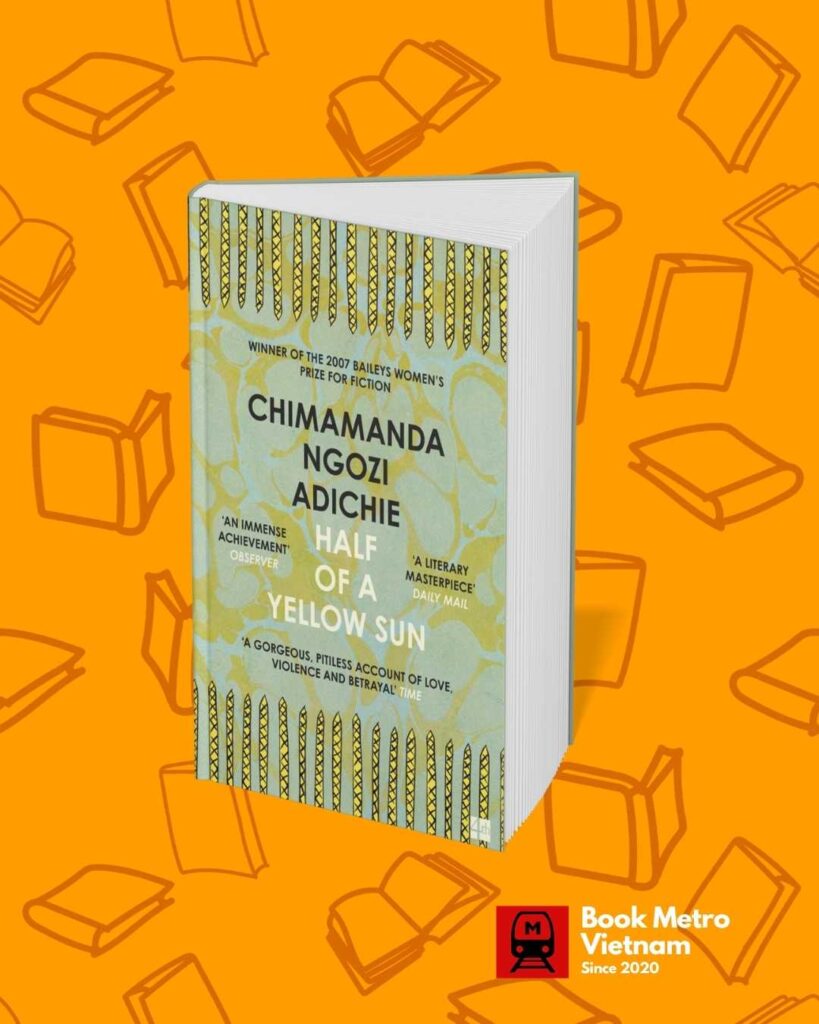
The definitive, epic novel of the Biafran War.
This is the monumental historical novel that cemented Adichie’s place as a literary superstar. The story follows the lives of five unforgettable characters—a university professor, his elegant partner, a houseboy, and a British writer—as their lives are torn apart by the Nigerian Civil War (the Biafran War). It’s a heartbreaking, essential, and deeply human story.
Author: Chimamanda Ngozi Adichie
Genre: Historical Fiction
Perfect for: Gaining a profound, emotional understanding of a pivotal moment in Nigerian history.
2. Americanah
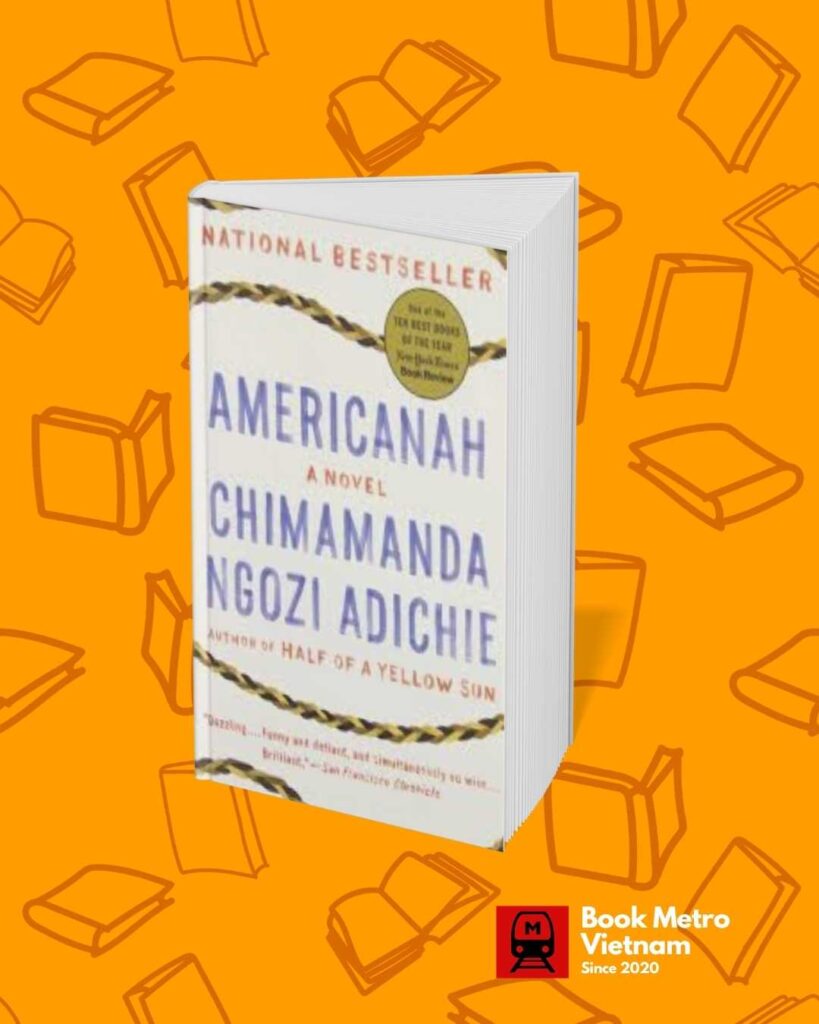
A powerful love story and a sharp commentary on race and identity.
The novel follows Ifemelu and Obinze, young sweethearts who depart military-ruled Nigeria for the West. Ifemelu heads for America, where she grapples for the first time with what it means to be Black. Obinze, meanwhile, plunges into a dangerous, undocumented life in London. It’s a brilliant, funny, and expansive novel about the immigrant experience.
Author: Chimamanda Ngozi Adichie
Genre: Contemporary Fiction
Perfect for: Readers who love epic love stories and sharp, witty social commentary.
The Myth-Maker: Chigozie Obioma
Obioma has been called “the heir to Chinua Achebe.” His two novels are modern-day fables, using the structure of classic tragedy and Igbo cosmology to tell deeply moving stories about family and fate.
3. The Fishermen
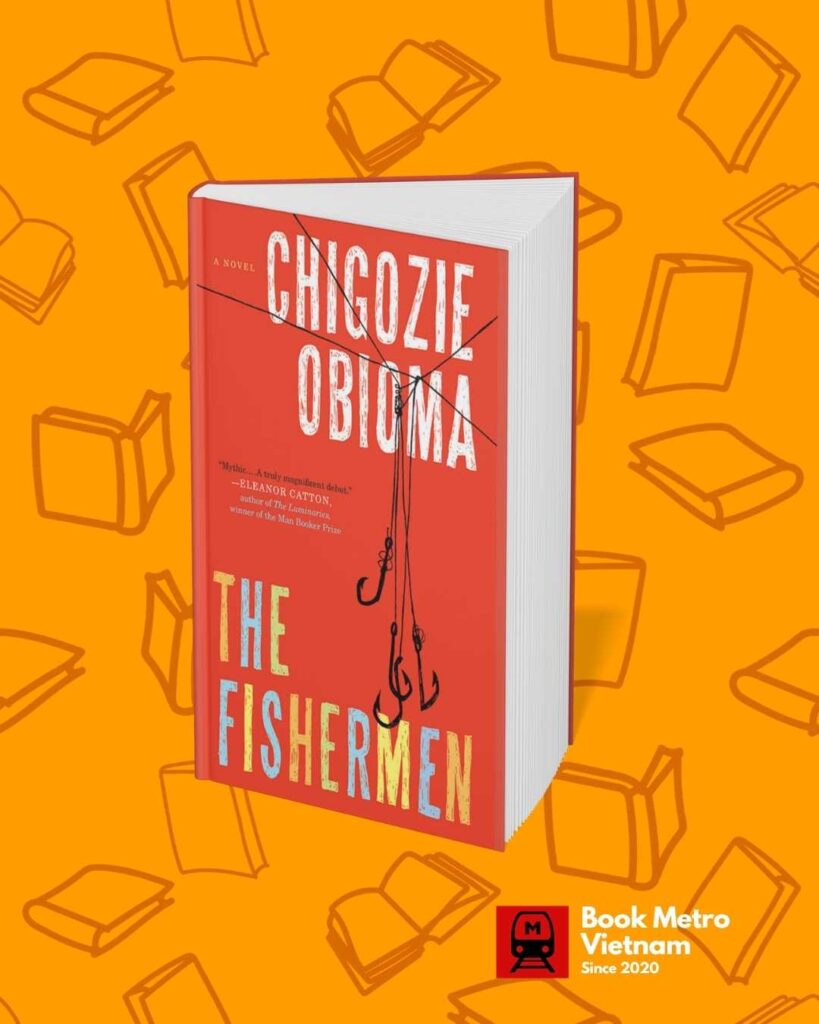
A stunning and tragic debut about four brothers torn apart by a prophecy.
In a small Nigerian town, four young brothers take advantage of their father’s absence to go fishing. They encounter a local madman who predicts that the eldest brother will be killed by one of his siblings. This prophecy shatters the family’s bond, and the story unfolds with the devastating inevitability of a Greek tragedy. It is a powerful and unforgettable debut.
Author: Chigozie Obioma
Genre: Literary Fiction
Perfect for: Readers who appreciate beautiful prose and a powerful, mythic story.
The Trailblazer: Akwaeke Emezi
Emezi is one of the most exciting and prolific writers working today. Their work is bold, genre-bending, and unapologetically queer, exploring themes of identity, spirituality, and the body in a way that feels entirely new.
4. Freshwater
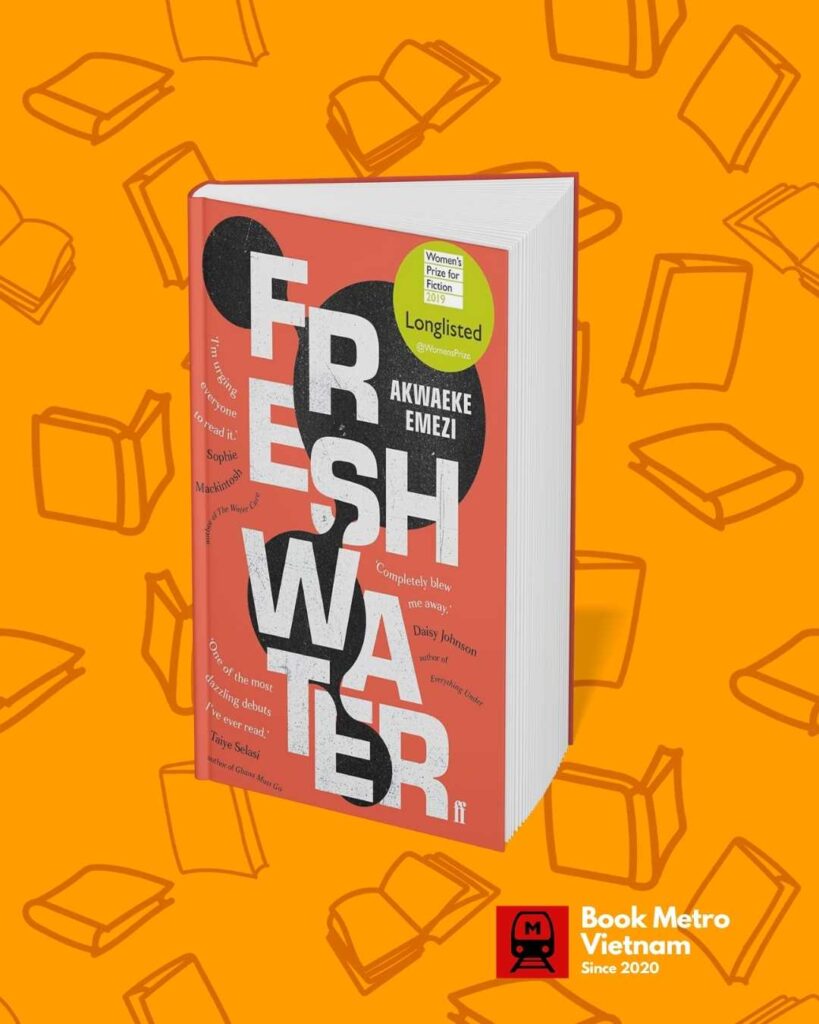
A powerful and unique debut about a young Nigerian woman with a fractured self.
This astonishing novel is based in the author’s own life. It tells the story of Ada, a Nigerian child who develops separate, powerful personalities based on Igbo gods. It is a raw, visceral, and unforgettable exploration of identity, gender, and mental health through the lens of West African spirituality. It’s unlike anything you’ve ever read.
Author: Akwaeke Emezi
Genre: Autobiographical Fiction / Magical Realism
Perfect for: The adventurous reader who wants to experience a truly original and groundbreaking voice.
Looking for More Stories with a Strong Sense of Place?
If you love reading powerful fiction that is deeply rooted in a specific culture and history, be sure to check out our list, “A Deeper Understanding: 3 Books on the American War from a Vietnamese Perspective”.
Discover Your Next Favorite Author
The new wave of Nigerian fiction is one of the most exciting movements in world literature. Pick a book, dive in, and discover the powerful voices that are shaping the future of storytelling.